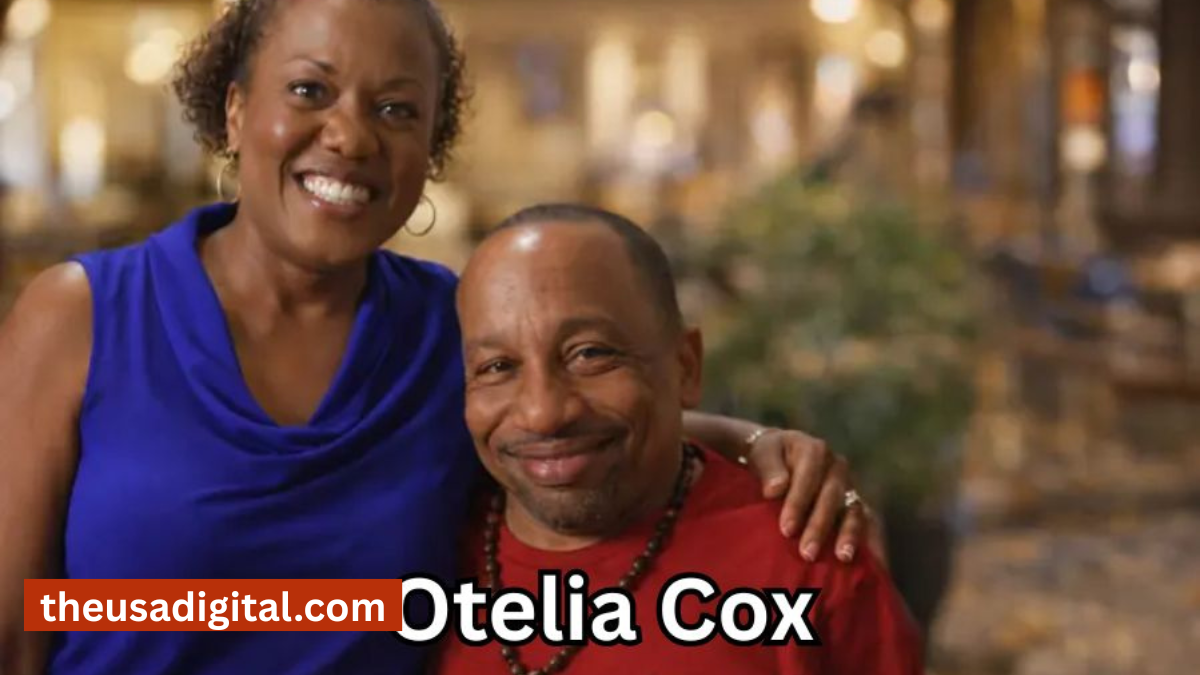
Otelia Cox is a name that appears across scattered historical references, family records, and genealogy discussions, often drawing curiosity from researchers and individuals tracing ancestral connections. While there is limited consolidated public information about her life in mainstream historical archives, the growing interest in genealogical research has brought attention to names like hers, encouraging deeper exploration into family histories and local records. In many cases, individuals such as Otelia Cox represent important links within family trees, even if their stories are not widely documented in popular media.
The rising interest in ancestry platforms and digital record databases has made it easier for people to encounter names like Otelia Cox while researching their lineage. This has created a wave of curiosity about her identity, background, and possible contributions to her family or community. Even when detailed biographies are not available, such figures often hold significance within personal or regional history. Understanding Otelia Cox begins with acknowledging the broader context of genealogical research, where every recorded name may represent a meaningful piece of a larger historical puzzle.
Early Life and Background of Otelia Cox
The early life of Otelia Cox is not extensively documented in widely available public records, which is common for many individuals from earlier generations whose lives were recorded primarily in local or family archives. However, based on typical historical patterns, individuals with such names often originated from close-knit communities where family, agriculture, and local trades shaped daily life. These environments played a major role in defining upbringing, values, and early social interactions.
In many genealogical cases, people like Otelia Cox may have lived during periods where record-keeping was limited to census data, church registries, or handwritten family documents. This means that reconstructing her early life often depends on fragmented sources that researchers piece together over time. Education, for example, may have been informal or locally provided, reflecting the norms of the era and region she belonged to. Despite the lack of detailed public accounts, her early years would likely have been shaped by family responsibilities, community traditions, and the cultural expectations of her time.
Personal Life and Family Connections
The personal life of Otelia Cox is often the most significant area of interest for genealogists, as family connections are usually the primary reason her name appears in historical searches. Individuals with limited public documentation are often remembered through descendants, marriage records, or census listings, which provide small but valuable insights into their lives. Otelia Cox may have been part of a larger family structure where relationships played a central role in shaping identity and legacy.
Marriage records, if available, are typically key to understanding her personal journey, including potential changes in residence, family name associations, and generational ties. In many historical contexts, women’s identities were closely connected to family roles, including motherhood, caregiving, and household management. These contributions, though often underrepresented in formal history, were essential to the stability and growth of family networks. Otelia Cox’s personal life, therefore, is best understood as part of a broader family narrative rather than isolated individual documentation.
Career, Achievements, and Community Role
Due to the limited availability of specific professional records, the career or occupational background of Otelia Cox is not clearly defined in widely accessible sources. However, in historical contexts, individuals from similar eras often engaged in occupations tied to agriculture, domestic work, craftsmanship, or local trade. These roles, while sometimes unrecorded in formal archives, were essential to the functioning of local economies and communities.
It is also possible that Otelia Cox contributed to her community in non-professional ways that were highly valued during her lifetime. Community participation, family responsibilities, and informal support systems often represented significant achievements, even if they were not documented in official records. In genealogical research, such contributions are increasingly recognized as important aspects of historical identity. Her legacy, therefore, may be reflected more in family continuity and community memory than in formal titles or documented achievements.
Historical or Cultural Significance of Otelia Cox
The significance of Otelia Cox lies primarily in her presence within historical records and genealogical research rather than in widely recorded public events. Names like hers often gain attention when descendants or researchers attempt to trace family lineages, uncovering connections that span generations. In this sense, Otelia Cox becomes part of a broader cultural effort to preserve personal histories that might otherwise be lost over time.
Culturally, individuals documented in family records contribute to the understanding of migration patterns, community development, and historical demographics. Even when detailed biographies are unavailable, their existence in records helps build a clearer picture of the past. Otelia Cox may represent one such link in a family chain, offering insight into how families evolved, moved, and contributed to their environments. This type of historical significance highlights the importance of preserving even the smallest recorded details in ancestry research.
Legacy and Modern-Day Interest
Today, interest in Otelia Cox is largely driven by digital genealogy platforms, historical archives, and personal family research. As more people explore their ancestry, names like hers appear in search results, prompting questions about identity, relationships, and historical context. This growing curiosity reflects a broader cultural trend of reconnecting with family history and understanding personal roots.
Her legacy, while not widely publicized, continues through descendants and records that preserve her name across generations. In modern times, even minimal historical information can become meaningful when placed within a family narrative. Otelia Cox’s presence in these records ensures that she remains part of ongoing historical exploration, demonstrating how every individual contributes to the larger story of human history.
Conclusion
Otelia Cox represents one of many historical figures whose lives are preserved primarily through genealogical and archival references rather than widely documented biographies. While detailed public information may be limited, her name continues to hold importance for those tracing family histories and exploring ancestral connections. Her story highlights the value of every recorded individual in shaping the broader understanding of historical and cultural development.
In essence, Otelia Cox’s legacy is not defined by public fame but by her place within family history and generational memory. Her name serves as a reminder that even the smallest historical records can carry meaningful stories waiting to be rediscovered and understood.
