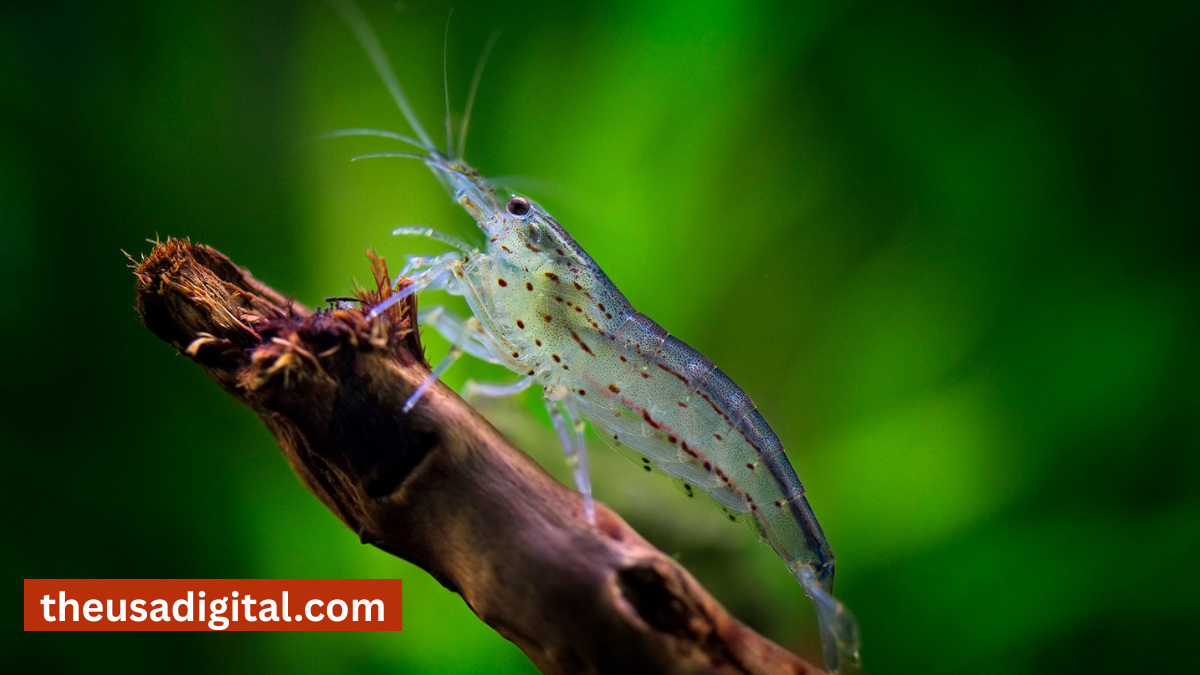
Caridina multidentata, widely known as Amano Shrimp, is one of the most valued freshwater invertebrates in the aquarium hobby. Famous for its exceptional algae-eating ability, this shrimp species has become a favorite among aquascaping enthusiasts and beginner fishkeepers alike. Unlike many ornamental shrimp that are kept primarily for their appearance, Amano shrimp are often introduced into aquariums for their practical role in maintaining cleanliness and ecological balance.
The popularity of Caridina multidentata increased significantly after being introduced to the aquarium world by renowned aquascaper Takashi Amano. Since then, these shrimp have been widely recognized as natural tank cleaners. Their ability to consume stubborn algae types such as hair algae and biofilm makes them a powerful addition to planted tanks. Beyond their utility, they also bring subtle beauty with their translucent bodies and active, social behavior.
In aquariums, Amano shrimp are not just maintenance helpers but also part of a living ecosystem. They interact peacefully with other species, contribute to nutrient cycling, and help stabilize planted tanks. Their presence reduces the need for chemical algae treatments, making them an eco-friendly choice for aquarists aiming for a balanced aquatic environment.
Natural Habitat and Origin of Caridina Multidentata
The Caridina multidentata species originates from East Asia, primarily Japan and Taiwan, where it inhabits freshwater rivers, streams, and coastal estuaries. These environments are typically rich in vegetation, flowing water, and organic matter, which provide an ideal feeding ground for shrimp populations. The natural habitats are clean, oxygen-rich, and moderately cool, which plays a crucial role in shaping their behavior and survival needs in captivity.
In the wild, Amano shrimp thrive in areas with constant water movement. This flow ensures a steady supply of oxygen and food particles such as algae, decaying plant matter, and microorganisms. The presence of rocks, driftwood, and aquatic plants provides both shelter and feeding surfaces. These conditions are important to replicate in aquariums to ensure long-term health and natural behavior.
Interestingly, Caridina multidentata has a unique life cycle that includes migration between freshwater and brackish water environments during breeding. Adult shrimp live in freshwater streams, but their larvae require brackish water to develop properly. This dual-environment dependency is one of the main reasons why breeding them in home aquariums is extremely challenging.
Physical Characteristics and Identification
Amano shrimp are relatively larger than many other freshwater shrimp species, typically growing up to 5–6 cm in length. Their bodies are mostly transparent with subtle grayish or brownish markings along the sides. This semi-transparent appearance helps them blend into their natural surroundings, providing protection from predators in the wild.
One of the key identifying features of Caridina multidentata is the presence of small dots or dashes along their body. Males usually have more uniform dot patterns, while females often display longer streak-like markings. Females are also generally larger and may have a more visible saddle (egg development area) when mature.
Compared to ornamental shrimp like cherry shrimp, Amano shrimp appear less colorful but more functional in appearance. Their slightly curved bodies, constant movement, and active grazing behavior make them easy to recognize in an aquarium. Despite their subtle looks, they are highly efficient workers in planted tanks.
Aquarium Setup Requirements for Caridina Multidentata
Creating a suitable environment for Caridina multidentata is essential for their health and performance. A minimum tank size of 10–20 gallons is recommended, especially if they are kept with fish or other shrimp species. Larger tanks provide more stable water conditions and ample grazing surfaces, which are important for their constant feeding behavior.
Water parameters play a crucial role in their survival. The ideal temperature range is between 20°C and 26°C, with a slightly acidic to neutral pH of 6.5 to 7.5. Stability is more important than perfection; sudden fluctuations in temperature or pH can stress the shrimp and reduce their lifespan. Moderate water hardness is also preferred to support healthy molting cycles.
Filtration should be gentle yet effective. Sponge filters or low-flow canister filters are commonly used in shrimp tanks. Strong currents can stress Amano shrimp, even though they originate from flowing waters. Additionally, good oxygenation is important since they are highly active and depend on well-oxygenated environments to thrive.
Diet and Feeding Behavior of Caridina Multidentata
The diet of Caridina multidentata in the wild mainly consists of algae, biofilm, and decomposing plant matter. This natural grazing behavior makes them one of the best algae control species in freshwater aquariums. They continuously pick at surfaces, helping prevent algae buildup on glass, plants, and decorations.
In home aquariums, Amano shrimp do not rely solely on algae. They can also be supplemented with high-quality shrimp pellets, algae wafers, blanched vegetables such as spinach or zucchini, and sinking fish food. However, overfeeding should be avoided, as they are efficient scavengers and often find enough food in a well-established tank.
Feeding frequency depends on tank maturity. In heavily planted aquariums with natural algae growth, supplemental feeding may only be needed a few times per week. In cleaner tanks, more frequent feeding is necessary to ensure they receive adequate nutrition.
Behavior and Tank Mates Compatibility
Amano shrimp are peaceful and non-aggressive, making them suitable for community aquariums. They spend most of their time actively searching for food across plants, substrate, and decorations. Unlike some ornamental shrimp, they are not shy and can often be seen moving openly during both day and night.
When selecting tank mates, peaceful fish species such as tetras, rasboras, and small gouramis are ideal. However, larger or predatory fish may see shrimp as food, especially juveniles. Therefore, careful selection is necessary to avoid losses in the aquarium.
Amano shrimp also coexist well with other shrimp species, although competition for food may occur if resources are limited. Providing enough grazing surfaces helps reduce aggression and ensures balanced coexistence.
Conclusion
Caridina multidentata is one of the most practical and valuable shrimp species in the aquarium hobby. Their unmatched ability to control algae, combined with their peaceful nature and adaptability, makes them an excellent addition to both beginner and advanced aquariums. While they require stable water conditions and cannot easily be bred in home setups, their benefits far outweigh their challenges.
For aquarists seeking a natural, eco-friendly solution to algae management, Amano shrimp remain a top-tier choice. With proper care, they not only enhance tank cleanliness but also contribute to a healthier and more balanced aquatic ecosystem.
