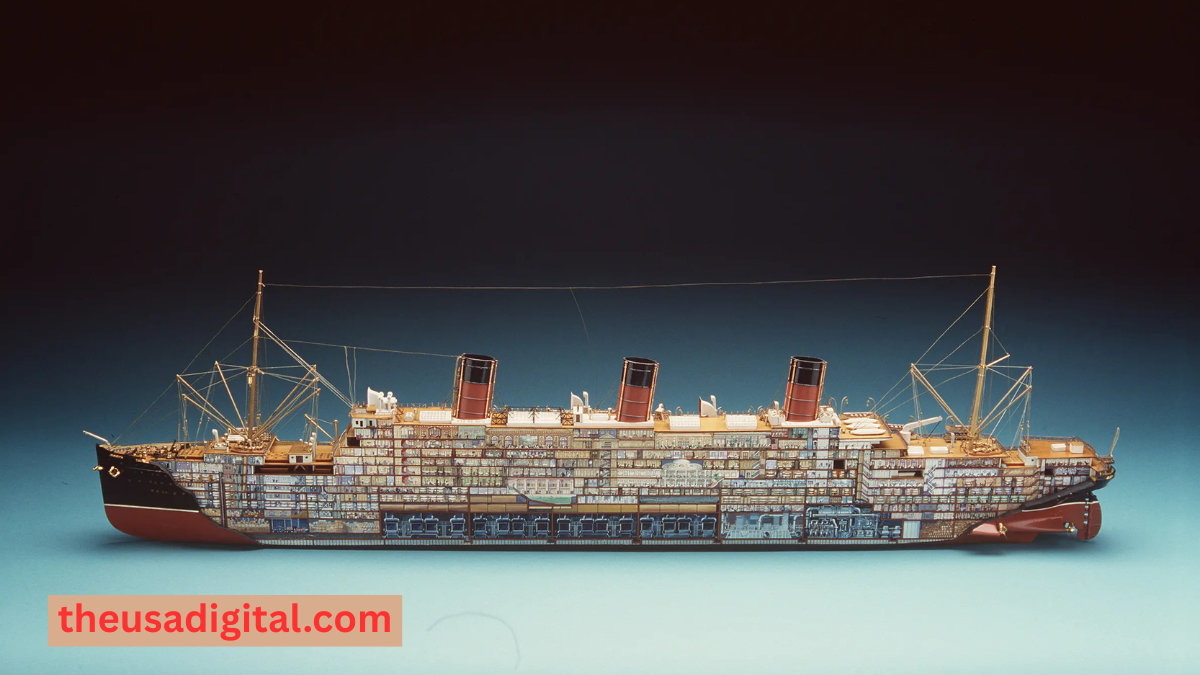
The story of the Berengaria ship begins in the golden age of ocean travel, when grand ships were not just a means of transportation but floating symbols of national pride, engineering ambition, and luxury. Originally launched as the German liner SS Imperator, the vessel was built for the Hamburg America Line and was intended to surpass all existing passenger ships in size and elegance. When completed in the early 1910s, it represented the peak of pre-war maritime engineering, designed to compete with British dominance on transatlantic routes. However, its destiny would soon change due to global conflict.
World War I dramatically altered the fate of many ships, and the Imperator was no exception. After Germany’s defeat, the vessel was seized as part of war reparations and transferred to the United Kingdom. It was then assigned to the Cunard Line and renamed RMS Berengaria. This transformation marked not only a change in ownership but also a symbolic shift in maritime power from Germany to Britain. The ship was refurbished and reintroduced as one of Cunard’s most prestigious liners, serving as a flagship vessel during the interwar period.
As the Berengaria entered commercial service, it quickly became a centerpiece of transatlantic travel between Europe and New York. It carried diplomats, wealthy travelers, and emigrants seeking new opportunities across the Atlantic. Beyond its operational role, the ship embodied a transitional era in maritime history—bridging the gap between pre-war imperial competition and the modern age of ocean liners. Its origins remain a powerful reminder of how global events can reshape engineering marvels into historical icons.
Design and Engineering Marvel of the Berengaria Ship
The Berengaria ship was renowned for its extraordinary size, innovative engineering, and lavish design, making it one of the most impressive ocean liners of its time. When it was originally constructed as the Imperator, it was among the largest passenger ships in the world, surpassing earlier liners in both length and tonnage. Its immense structure required advanced naval architecture techniques that pushed the boundaries of early 20th-century shipbuilding. Even after its conversion under Cunard, the ship retained its grand proportions, which continued to impress passengers and maritime experts alike.
Inside, the Berengaria was a masterpiece of luxury design inspired by European palaces and classical architecture. The interiors featured grand staircases, ornate chandeliers, richly decorated lounges, and expansive dining halls that rivaled the finest hotels on land. First-class passengers enjoyed opulent cabins furnished with fine woodwork, plush textiles, and private amenities that reflected the elite travel culture of the time. Even second and third-class accommodations were designed with greater comfort compared to many contemporary ships, demonstrating Cunard’s commitment to elevating passenger experience across all classes.
From an engineering standpoint, the Berengaria also showcased significant advancements in maritime technology. It was powered by complex turbine systems that allowed for steady transatlantic voyages, though it was not the fastest ship of its era. Its multiple funnels, massive propulsion systems, and reinforced hull design ensured stability across rough Atlantic waters. The ship also incorporated improved safety measures for its time, including watertight compartments and advanced navigation equipment. Together, these innovations made the Berengaria not just a symbol of luxury, but also a benchmark in early ocean liner engineering.
Life Onboard and Transatlantic Service Experience
Life aboard the Berengaria ship was a world of elegance, discipline, and carefully curated luxury, especially for first-class passengers. Traveling on this ship was not simply about reaching a destination; it was an experience filled with social gatherings, fine dining, and cultural refinement. First-class guests often included celebrities, business magnates, and political figures who enjoyed exclusive access to lavish lounges, reading rooms, and open promenade decks overlooking the Atlantic Ocean. Every detail was designed to reflect sophistication and comfort, turning each voyage into a floating celebration of elite travel culture.
Dining aboard the Berengaria was one of its most celebrated features. Meals were served in grand dining salons with multi-course menus prepared by skilled chefs. Fresh ingredients, elegant presentation, and formal service created an atmosphere similar to the finest restaurants in Europe. Entertainment also played a key role in onboard life. Passengers enjoyed live orchestras, ballroom dancing, card games, and social tea gatherings. These activities helped create a vibrant community at sea, where long voyages felt like extended social retreats rather than mere transportation journeys.
The ship also operated as a vital transatlantic link between Europe and America, primarily servicing routes between Southampton, Cherbourg, and New York. These voyages were essential for commerce, diplomacy, and migration during the interwar period. While luxury defined the upper decks, the ship also carried thousands of emigrants in lower classes who were seeking new lives in the United States. This contrast between luxury and migration made the Berengaria a microcosm of global society during the early 20th century, reflecting both privilege and aspiration in a single voyage.
Legacy, Decline, and Historical Importance
As maritime technology evolved, the once-majestic Berengaria ship began to face challenges in maintaining its relevance. Newer ocean liners introduced greater speed, efficiency, and modern amenities that gradually overshadowed older ships. Although the Berengaria remained an important vessel for Cunard during the 1920s, it struggled to compete with more advanced ships entering service in the 1930s. Rising operational costs, mechanical wear, and changing passenger expectations all contributed to its gradual decline.
Despite its decreasing practicality, the ship retained symbolic importance within maritime history. It represented an era when ocean liners were the pinnacle of international travel and engineering ambition. However, as aviation technology began to emerge, transatlantic air travel started to reduce the demand for long sea voyages. This shift marked the beginning of the end for many grand liners like the Berengaria, which were designed for a world slowly moving toward faster forms of transportation.
Eventually, the Berengaria was retired and dismantled, marking the end of its physical journey but not its historical significance. Its legacy continues to influence modern cruise ship design, particularly in terms of luxury hospitality and onboard experience. Maritime historians often view it as a transitional vessel that connected the old world of imperial ocean liners with the modern cruise industry. Today, the Berengaria is remembered not just as a ship, but as a floating monument to an era of elegance, ambition, and global transformation.
Conclusion
The history of the Berengaria ship is a remarkable journey through time, reflecting the evolution of maritime engineering, global politics, and luxury travel. From its origins as a German superliner to its transformation into a British flagship, the ship embodied the shifting tides of 20th-century history. It served not only as a means of transportation but also as a cultural symbol of prestige and international connectivity Berengaria ship.
Although the Berengaria eventually faded from service, its legacy continues to resonate in maritime history. It stands as a testament to human innovation and the golden age of ocean liners, when crossing the Atlantic was an experience of grandeur and sophistication. Even today, its story inspires fascination among historians, travelers, and maritime enthusiasts who seek to understand the era when ships ruled the seas Berengaria ship.
